Treatment Effectiveness Testing

Treatment Effectiveness Testing

Treatment Effectiveness Testing evaluates how therapies may perform against your cancer—helping reduce guesswork and improve confidence in treatment decisions.

What is Treatment Effectiveness Testing?

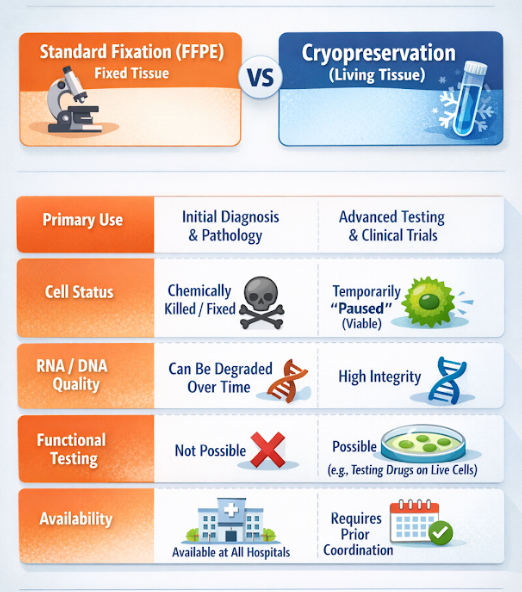
Treatment Effectiveness Testing (often called ex vivo testing or chemo-sensitivity testing) uses live or viable tumor material to assess responses to therapies outside the body.

Instead of trying keys in the lock (your body), you test the keys on a copy of the lock first.

Why this changes the conversation with your doctor

Many cancer treatment plans start with a standard protocol. But cancers that look similar under a microscope can behave very differently.

This type of testing can help support:

  • A more personalized selection process
  • Fewer “let’s try this and see” cycles
  • Better rationale for why one option is chosen over another
What it can help with (benefit-focused)
  • Identifying therapies that show stronger response signals in a controlled setting
  • Reducing wasted time on approaches less likely to help
  • Supporting decision-making when options feel overwhelming or time-sensitive

(Note: It’s a decision-support tool, not a guarantee. Results must be interpreted by the care team.)

Who it’s for
  • Patients who want more evidence before starting therapy
  • Patients with recurrence or changing treatment paths
  • Patients who want to explore options beyond the standard first line, when appropriate
Treatment Effectiveness Testing FAQs
Is this the same as genomic testing?

No. Genomics helps identify what may be driving the cancer; treatment effectiveness testing focuses on how the cancer cells respond to therapies.

No. It adds information to support decisions with your care team.

Treatment Effectiveness Testing

Treatment Effectiveness Testing evaluates how therapies may perform against your cancer—helping reduce guesswork and improve confidence in treatment decisions.

What is Treatment Effectiveness Testing?

Treatment Effectiveness Testing (often called ex vivo testing or chemo-sensitivity testing) uses live or viable tumor material to assess responses to therapies outside the body.

Analogy:

Instead of trying keys in the lock (your body), you test the keys on a copy of the lock first.

Why this changes the conversation with your doctor

Many cancer treatment plans start with a standard protocol. But cancers that look similar under a microscope can behave very differently.

This type of testing can help support:

  • A more personalized selection process
  • Fewer “let’s try this and see” cycles
  • Better rationale for why one option is chosen over another

What it can help with (benefit-focused)

  • Identifying therapies that show stronger response signals in a controlled setting
  • Reducing wasted time on approaches less likely to help
  • Supporting decision-making when options feel overwhelming or time-sensitive

(Note: It’s a decision-support tool, not a guarantee. Results must be interpreted by the care team.)

Who it’s for

  • Patients who want more evidence before starting therapy
  • Patients with recurrence or changing treatment paths
  • Patients who want to explore options beyond the standard first line, when appropriate
Is this the same as genomic testing?

No. Genomics helps identify what may be driving the cancer; treatment effectiveness testing focuses on how the cancer cells respond to therapies.

Does it replace my oncologist’s judgment?

No. It adds information to support decisions with your care team.